

 Stockton AI
Difference between your AI and automation
Artificial Intelligence (AI) and automation are often used together, but they are fundamentally different in how they work and the value they bring. Automation is designed to handle repetitive tasks by following predefined rules and instructions. It works on a simple logic—when a specific action happens, it triggers a fixed response. For example, sending a confirmation email after a form submission or scheduling posts on social media are classic cases of automation. It is efficient, reliable, and time-saving, but it does not have the ability to think, adapt, or make decisions beyond what it has been programmed to do.
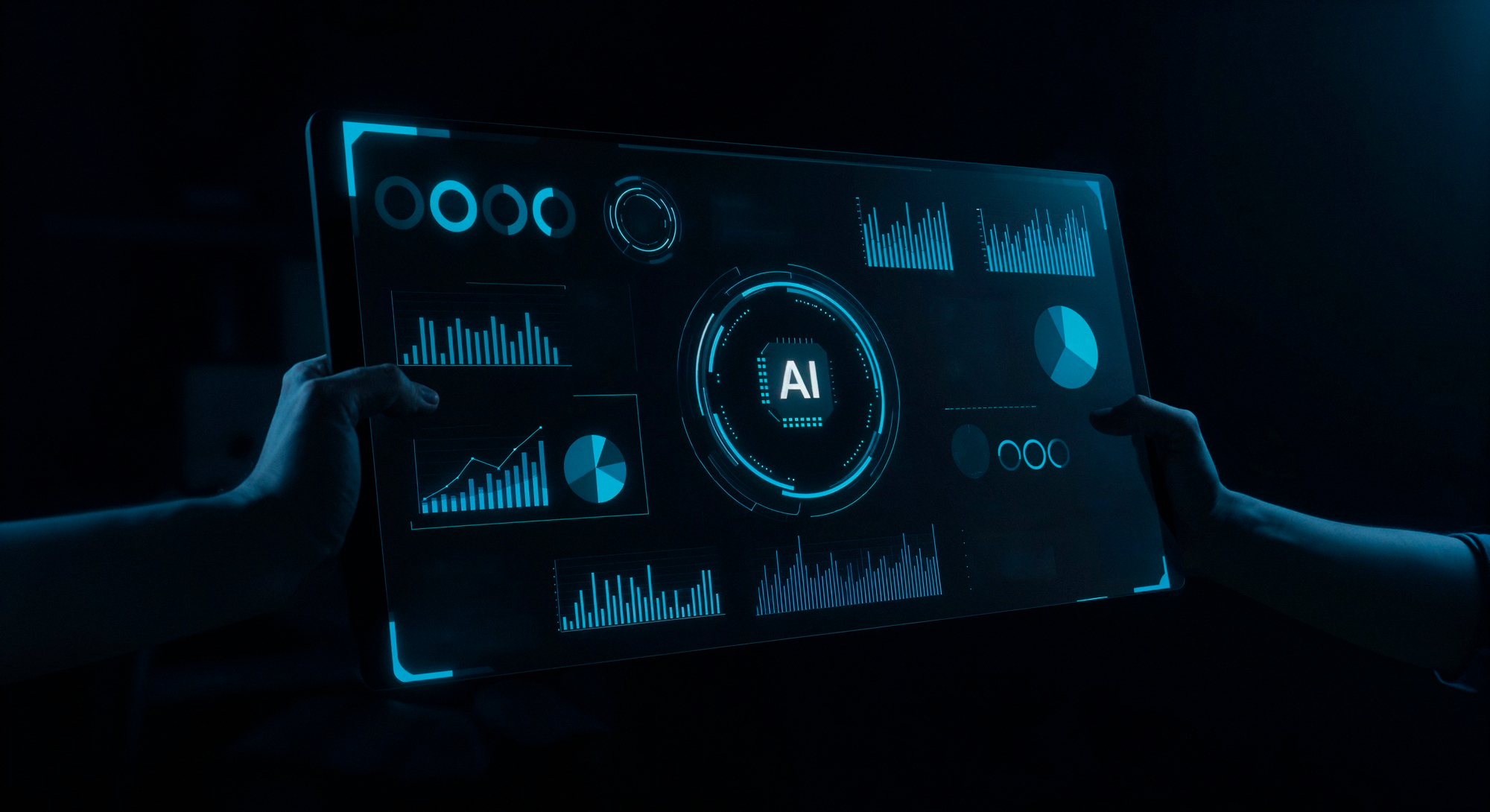
On the other hand, AI goes a step further by introducing intelligence into systems. Instead of just following rules, AI learns from data, understands patterns, and can make decisions based on context. It can analyze user behavior, respond to queries like a human, and even improve its performance over time. For instance, a smart chatbot that understands customer intent or a recommendation system that suggests products based on user preferences are powered by AI. Unlike automation, AI is not limited to fixed instructions—it evolves as it processes more information.
Automation replaces effort.
AI enhances intelligence.
But together, they amplify human potential.
The real power emerges when AI and automation are combined. Automation provides the structure and consistency needed to execute tasks efficiently, while AI adds the intelligence required to make those tasks smarter and more personalized. Together, they create systems that not only run automatically but also continuously improve and adapt. This combination allows businesses to save time, enhance customer experiences, and make better decisions without constant manual intervention.
At its core, automation replaces manual effort, while AI enhances decision-making. Rather than replacing humans, these technologies are tools that amplify human potential. Businesses that understand this difference and use both strategically are better positioned to grow and innovate. The key is not just to automate processes, but to build systems that can learn, adapt, and evolve alongside your business.